
Summer Usage Precautions for Concrete Mixer Trucks
date:2026-07-24
I. Pre-Departure Inspection Points1. Cooling System: Confirm the water level in the radiator is up to standard, check the fan belt tension, and prevent overheating.
2. Fluid Status: Replace with summer-specific engine oil and hydraulic oil, check the battery electrolyte level, and add distilled water as needed.
3. Tire Braking: Adjust tire pressure to the lower limit of the standard value, check the braking system sensitivity, and prevent tire blowouts and brake failure.
4. Tank Components: Check the mixing drum and chute for cracks, and check the hydraulic oil pipes for bulges and leaks; add grease in advance.
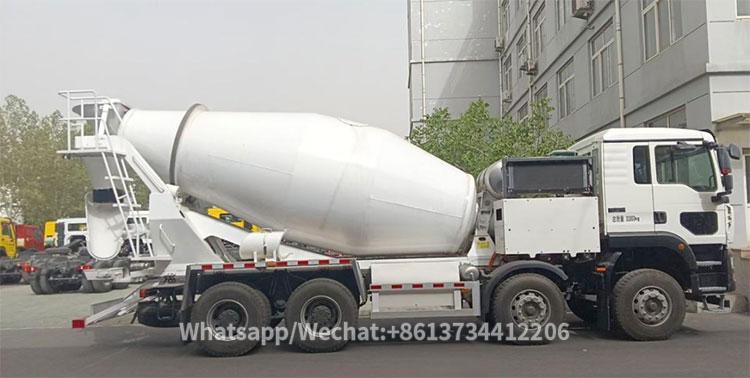
II. Driving and Operation Standards
1. Vehicle Cooling: When the engine coolant temperature exceeds 100℃, idle in a cool, shaded area and open the hood to assist in cooling.
2. Tank Operation: Before loading, reverse the drum to drain any accumulated water. During transportation, keep the mixing drum rotating at a low speed to prevent concrete segregation.
3. Concrete Management: During high-temperature periods, transportation time should not exceed 2 hours, and on-site downtime should not exceed 1 hour. Add retarders in compliance with regulations if necessary. 4. Driving Habits: Avoid sudden acceleration and braking; increase the turning radius when fully loaded; allow brake drums to cool naturally after long downhill slopes; do not splash cold water on them.
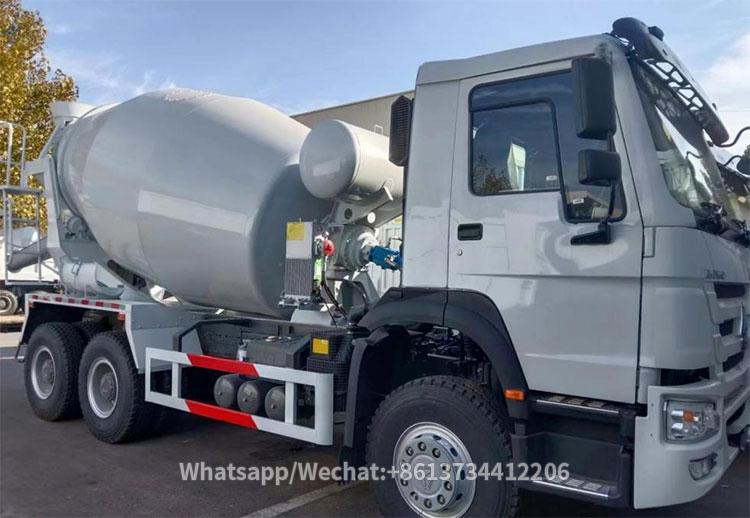
III. Finishing Operations and Routine Maintenance
1. Thorough Tank Cleaning: After finishing operation, thoroughly clean the inside and outside of the mixing drum to remove residual concrete and prevent it from hardening and increasing the operating load.
2. Parking Requirements: Park the vehicle in a cool, ventilated place, avoiding prolonged exposure to direct sunlight to reduce component aging.
3. New Energy Vehicle Specifications: Avoid charging during the midday heat; allow the battery to cool down for 15-20 minutes before charging, maintaining a charge level of 80%-90%.